Why Finished Basements in Montgomery County Grow Mold
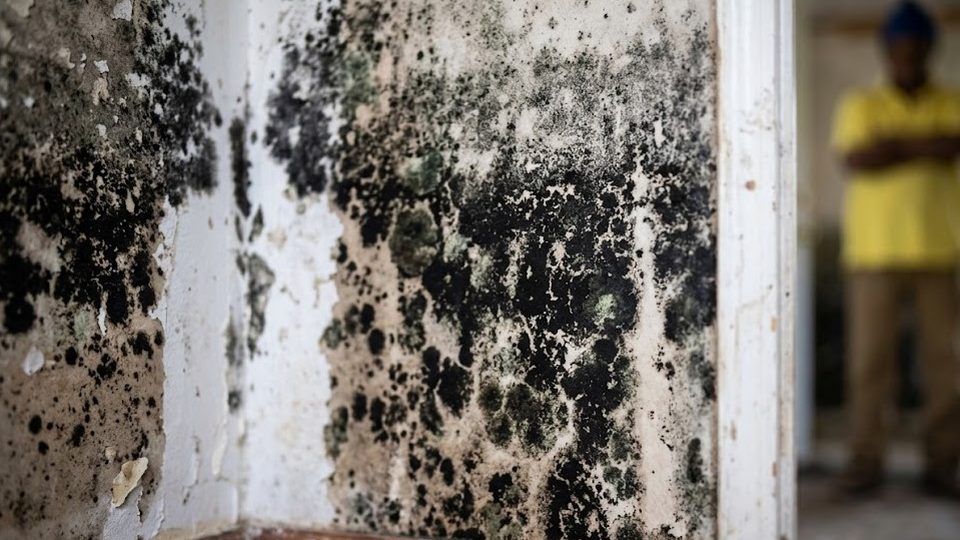
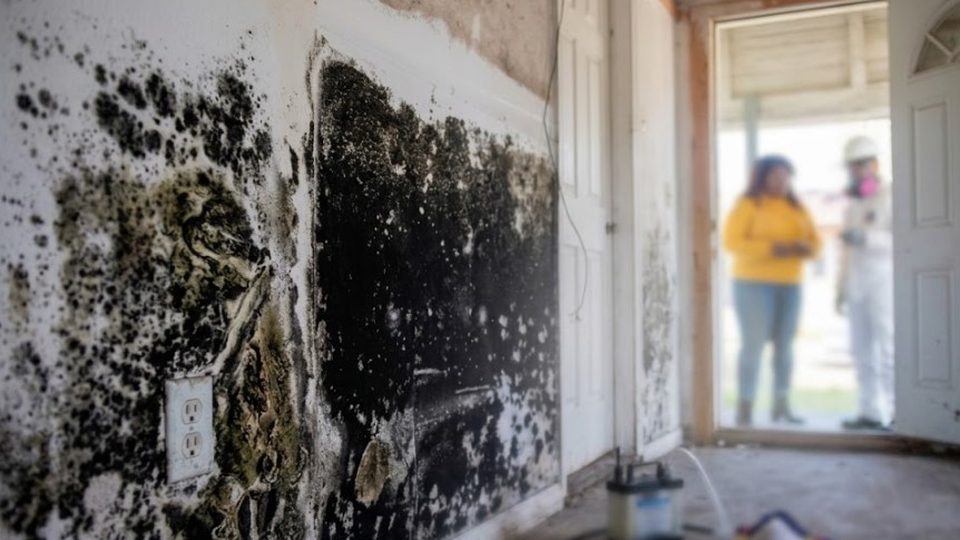
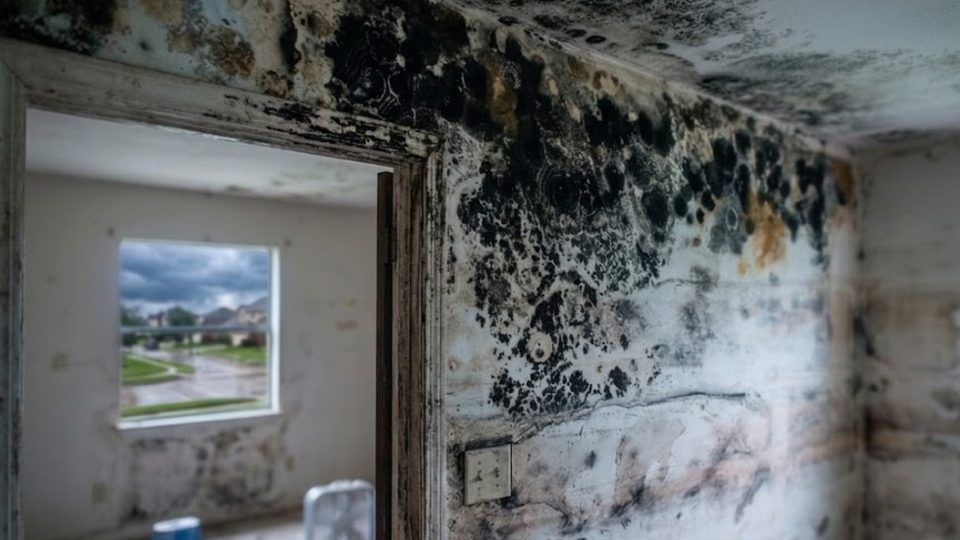
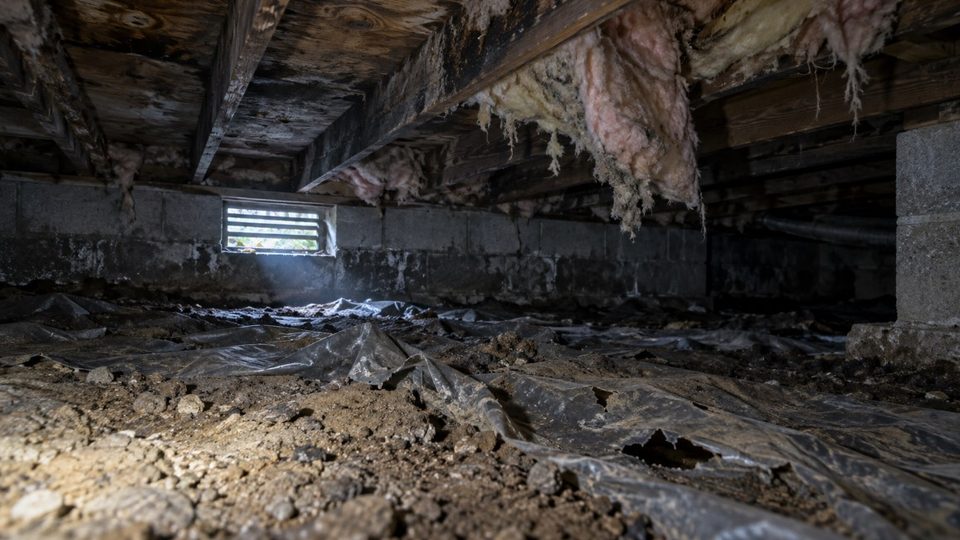
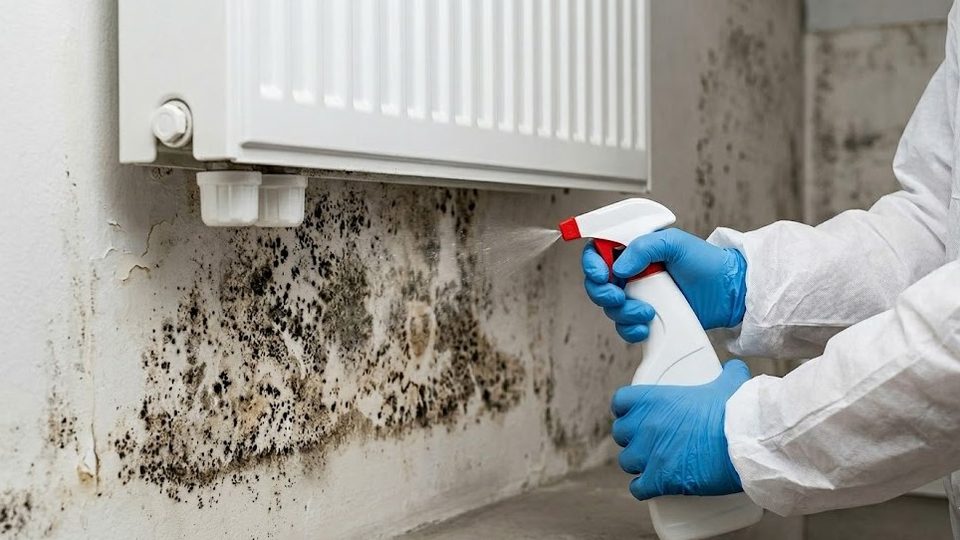
Stud wall, fiberglass batt, paper-faced drywall, against a cold foundation. The most reliable concealed mold generator in this county — the physics of why, and the assembly that works instead.
Practical articles on mold in a southeastern Pennsylvania home — basements and fieldstone foundations, kneewall attics, freeze-thaw winters, Schuylkill flooding, what the work costs here and what your insurance is likely to say. Written for the housing in this region by the authors who cover it.
Stud wall, fiberglass batt, paper-faced drywall, against a cold foundation. The most reliable concealed mold generator in this county — the physics of why, and the assembly that works instead.
The single most misdiagnosed moisture problem in southeastern Pennsylvania, explained with the numbers — and why opening the windows makes it worse.
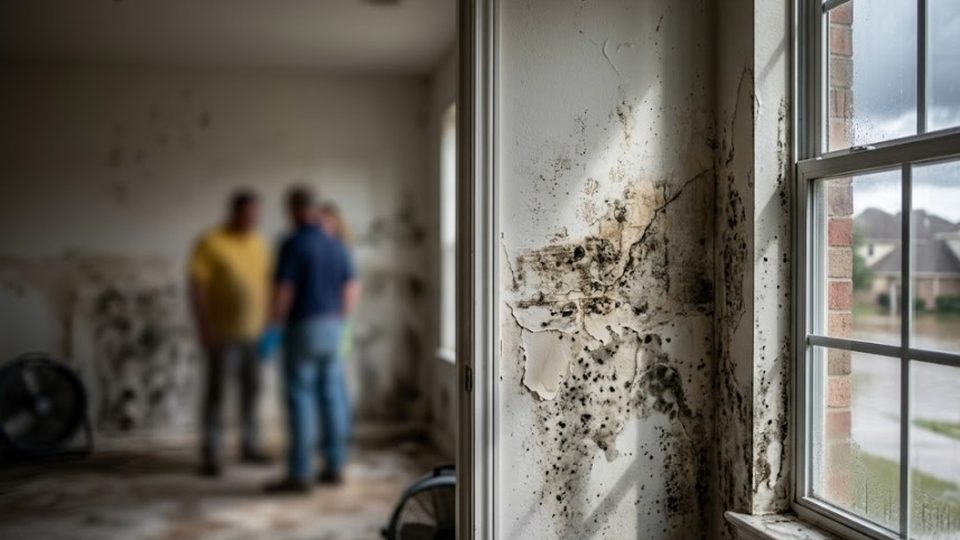
On 1 September 2021 the river overwhelmed Bridgeport, Norristown and Conshohocken. What went wrong in the rush that followed, and how to tell whether your house is still carrying it.
Hour by hour, what happens in a Montgomery County basement after the pump stops — and the three inexpensive changes that prevent most failures.
A February roof problem that becomes a July ceiling stain, in a room nowhere near the ice. How to read the evidence, and why insulation alone will not fix it.
Behind every upstairs bedroom wall in a postwar Cape there is a triangular void nobody enters. Here is what is happening in there every winter.
One of the most common mold causes in postwar Montgomery County housing, one of the cheapest to fix, and something you can check yourself in ten minutes.
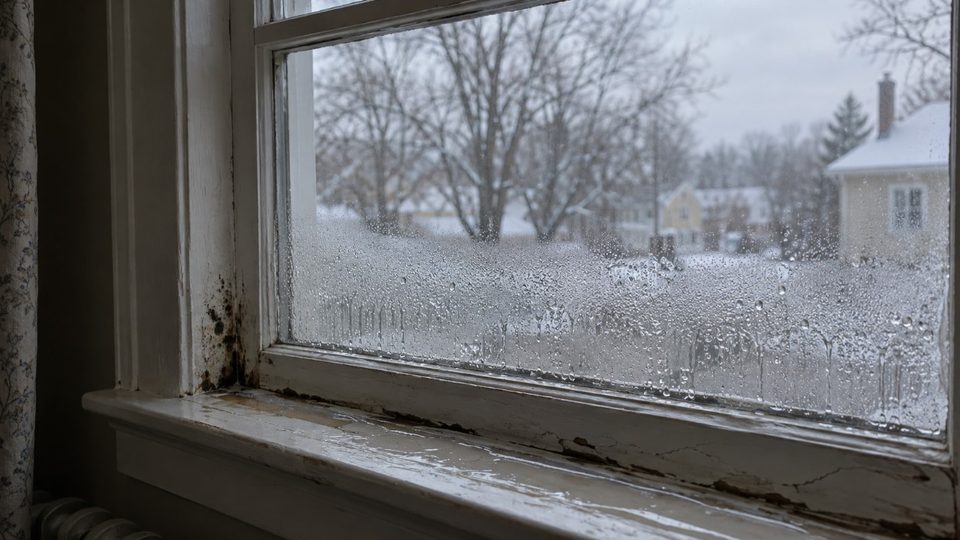
Streaming windows in January are not faulty windows. They are the coldest surface in the room telling you something true about the rest of the house.
Fieldstone walls have no damp-proof course and never did. They stayed sound for two centuries by breathing — and modern waterproofing is what actually breaks them.
Shared masonry transmits moisture. Remediating your side while the source is on the other side does not hold — so the fix is documentary before it is technical.
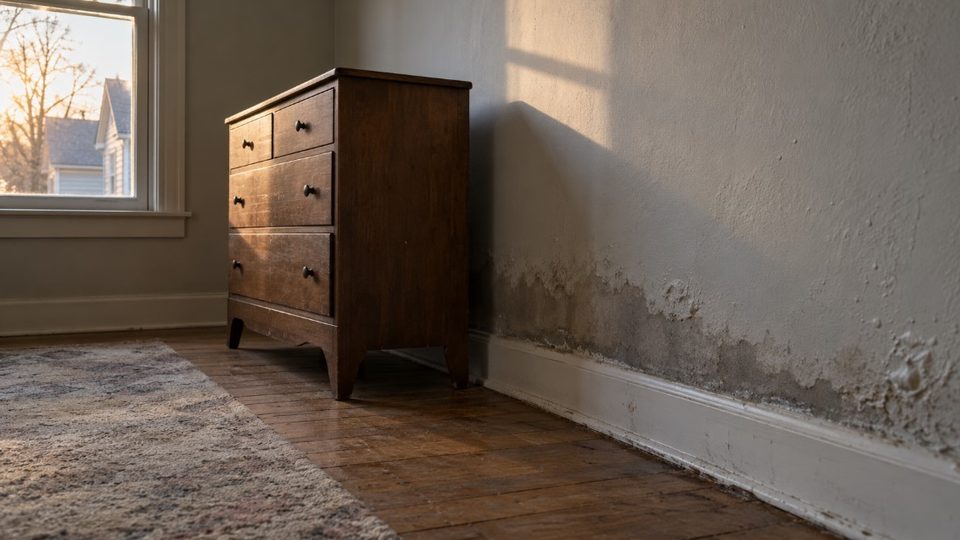
Most of them are not visible mold. A room-by-room guide to the evidence that actually indicates a problem in this region's housing stock.
Roughly 40% of Pennsylvania homes tested exceed the EPA radon action level. Radon and moisture use the same cracks — and only one of them is regulated here.
The vents were meant to dry the space. From June to September they do precisely the opposite, and the building science has been clear about it for decades.
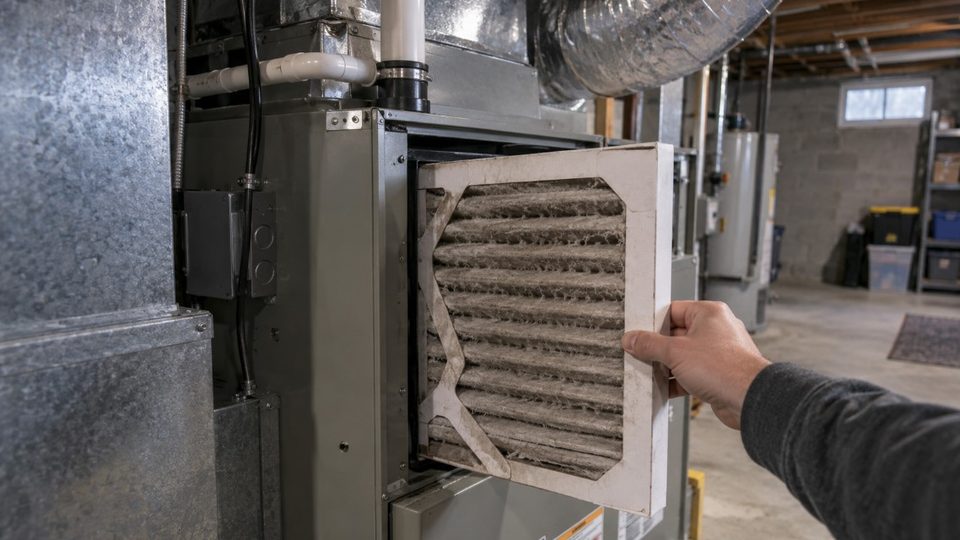
Control the moisture, then ventilate, then filter — in that order. Most homes are sold the third step first, which is why so many people own a purifier and still have a musty basement.
No board, no exam, no inspection regime. The seven documents to ask for, where to check them free, and the quote language that should end the conversation.
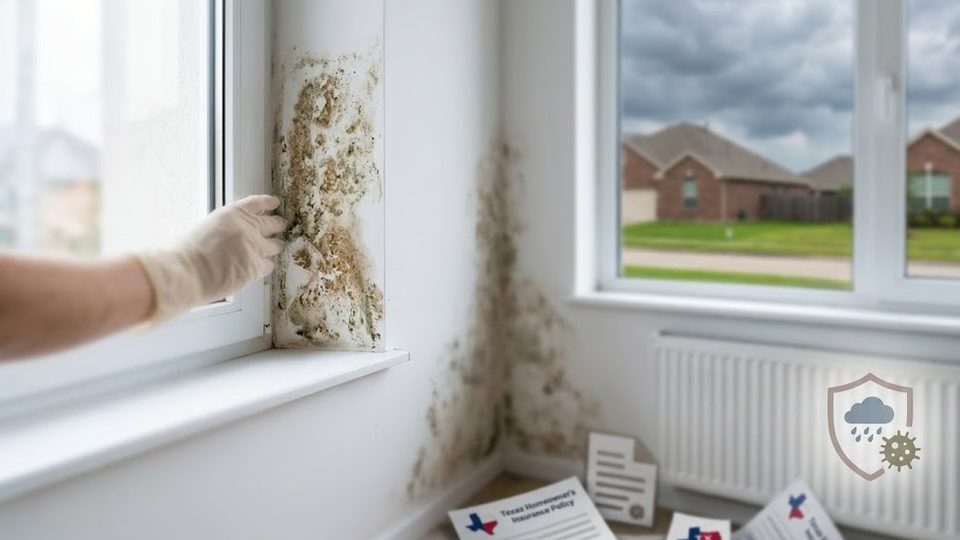
Sudden and accidental versus long-term seepage, the mold sublimit nobody reads, and the two exclusions that catch out more Montgomery County homeowners than anything else.
The disclosure statement is useful evidence and a poor substitute for inspection. What the law requires, what it does not, and who is exempt.
There is no mold statute here. What governs is the implied warranty of habitability — and the procedural mistake that turns a valid complaint into an eviction.
An honest threshold. Some of this is a genuine homeowner job, and we will say so. Here is the line, and what changes once you cross it.
Not a list of everything. The five interventions with the highest effect per dollar in this specific climate and this specific housing stock.
The complete seasonal system — what to do in spring, summer, autumn and winter, room by room, with the numbers that tell you whether it is working.
What Stachybotrys genuinely tells you about your building, what the health evidence does and does not support, and why disturbing it is the worst thing you can do.
What the Institute of Medicine and WHO reviews established about damp buildings and breathing, what is not established about mycotoxins, and where the gap between the two is used to sell things.
Four facts that explain most mold in this region, and that most national advice gets wrong.
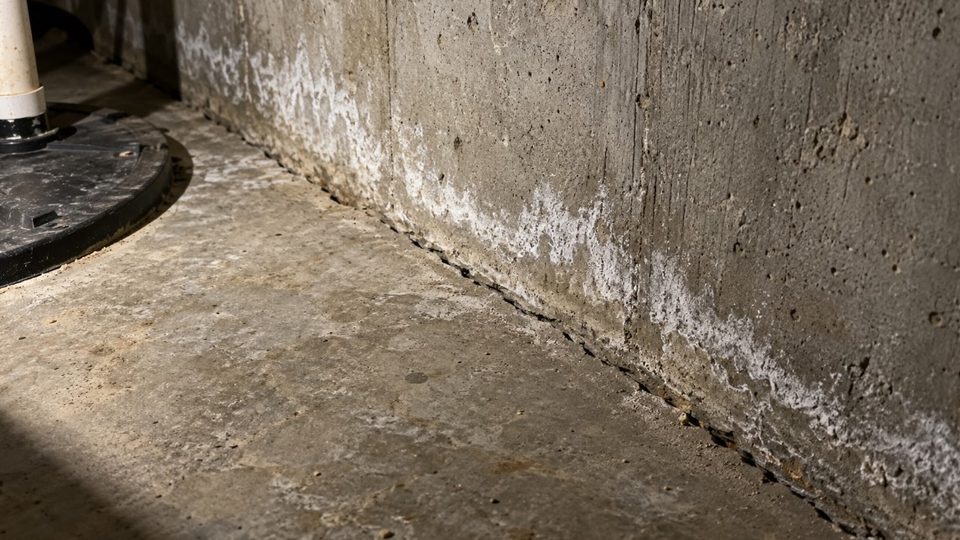
The temperature of a buried foundation wall here, all year. Summer dew points reach the low 70s°F, so the wall condenses water out of the air with no leak involved.
How long wet cellulose takes to grow mold. Whether a water event becomes a remediation is decided in the first two days — usually the first two hours.
Stud wall + fiberglass + paper-faced drywall against cold masonry. Standard practice for thirty years, and the most reliable concealed mold generator in this county.
Pennsylvania licenses no mold inspectors or remediators. Every quality signal in this trade is voluntary, which makes verification entirely your job.
Call the line and describe what is actually happening in your building. The seasonal pattern and the age of the house usually narrow the cause before anyone visits.
Call (610) 702-8235